Product Design
How the product presents itself is a commercial decision.
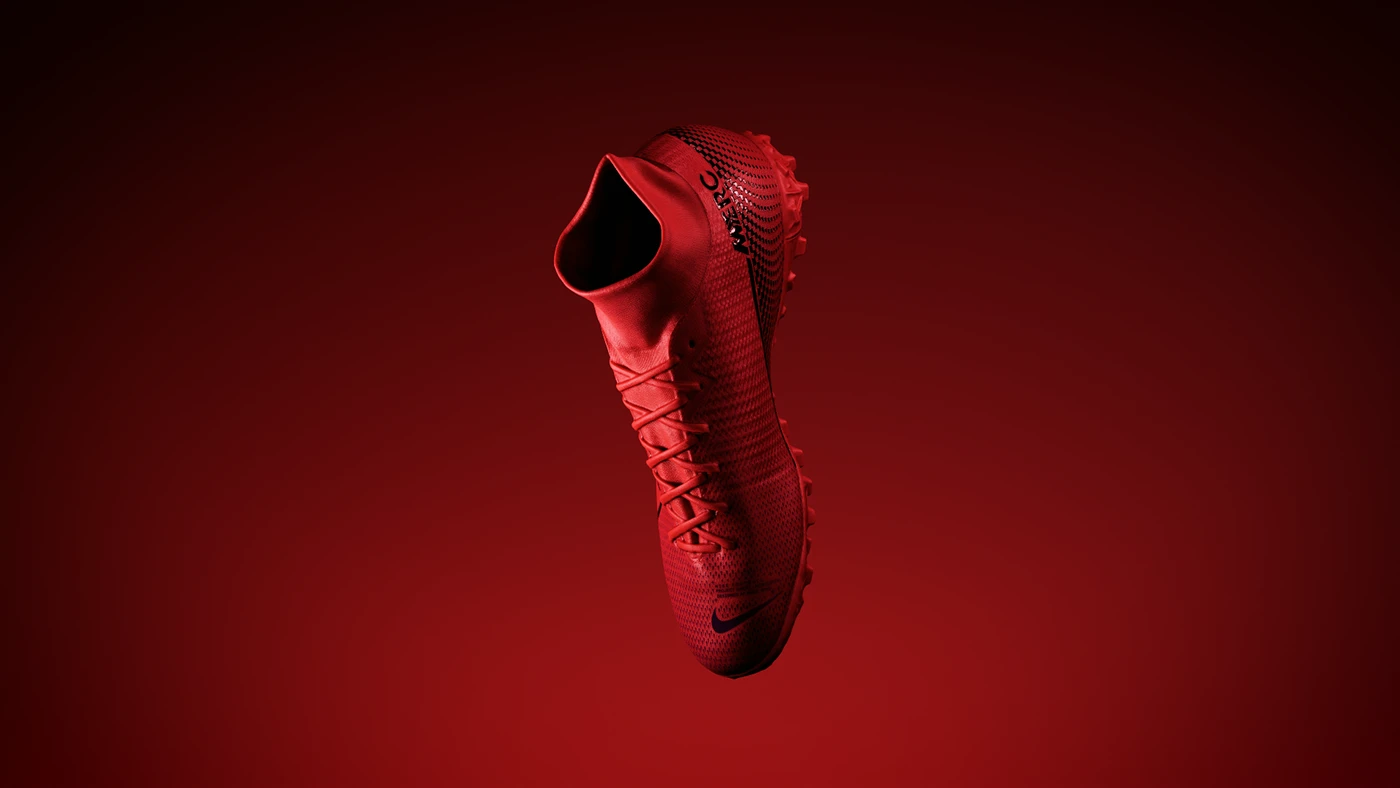
The way a product is presented to the world is often the difference between success and invisibility. Motion handles the complete visual identity of a product: from marketing strategy to color selection, from graphic design to brand storytelling. Every aesthetic choice has a reason — and that reason translates into conversions, recognition, and lasting customer loyalty.
- Brand & visual identity
- Design systems
- Interface & interaction design
- Motion direction
- Art direction & content
- Launch campaign assets
A system your team can extend without breaking it
An interface language that survives new features
Recognition that compounds instead of resetting
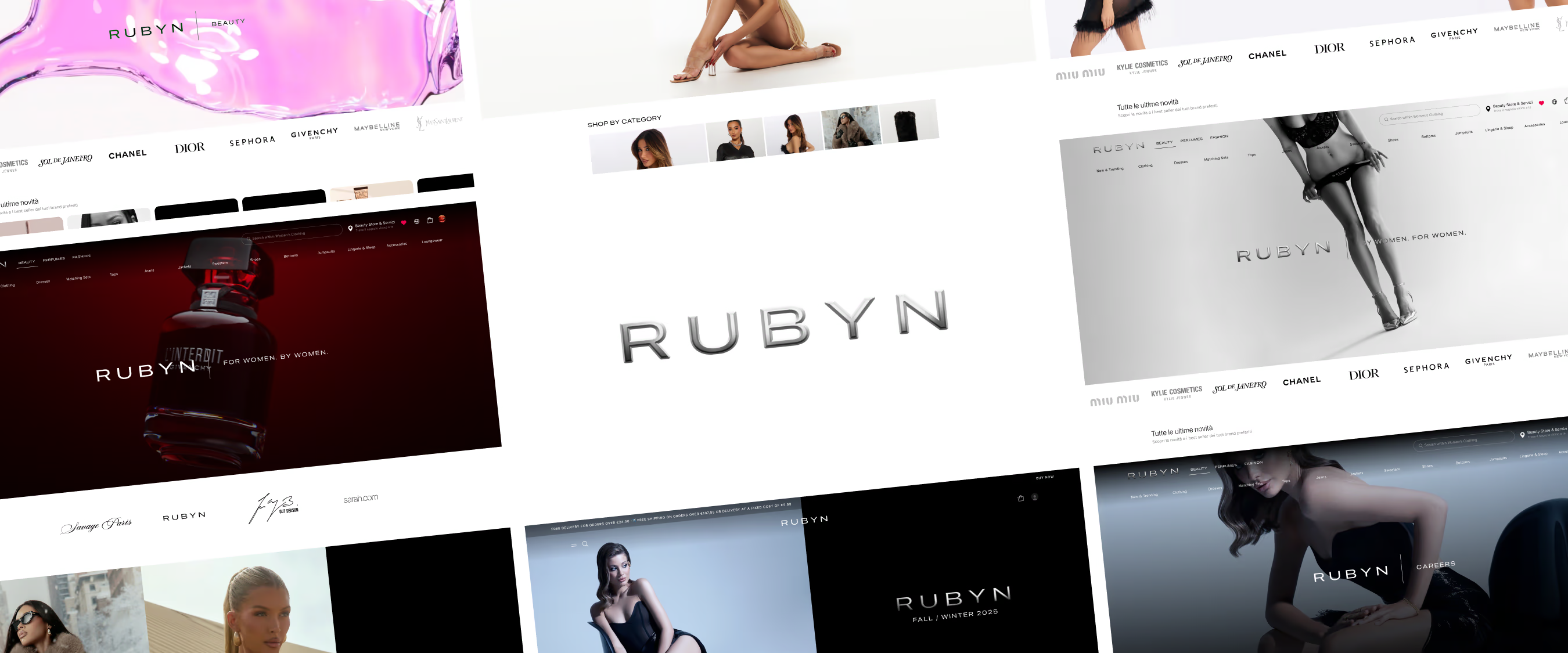
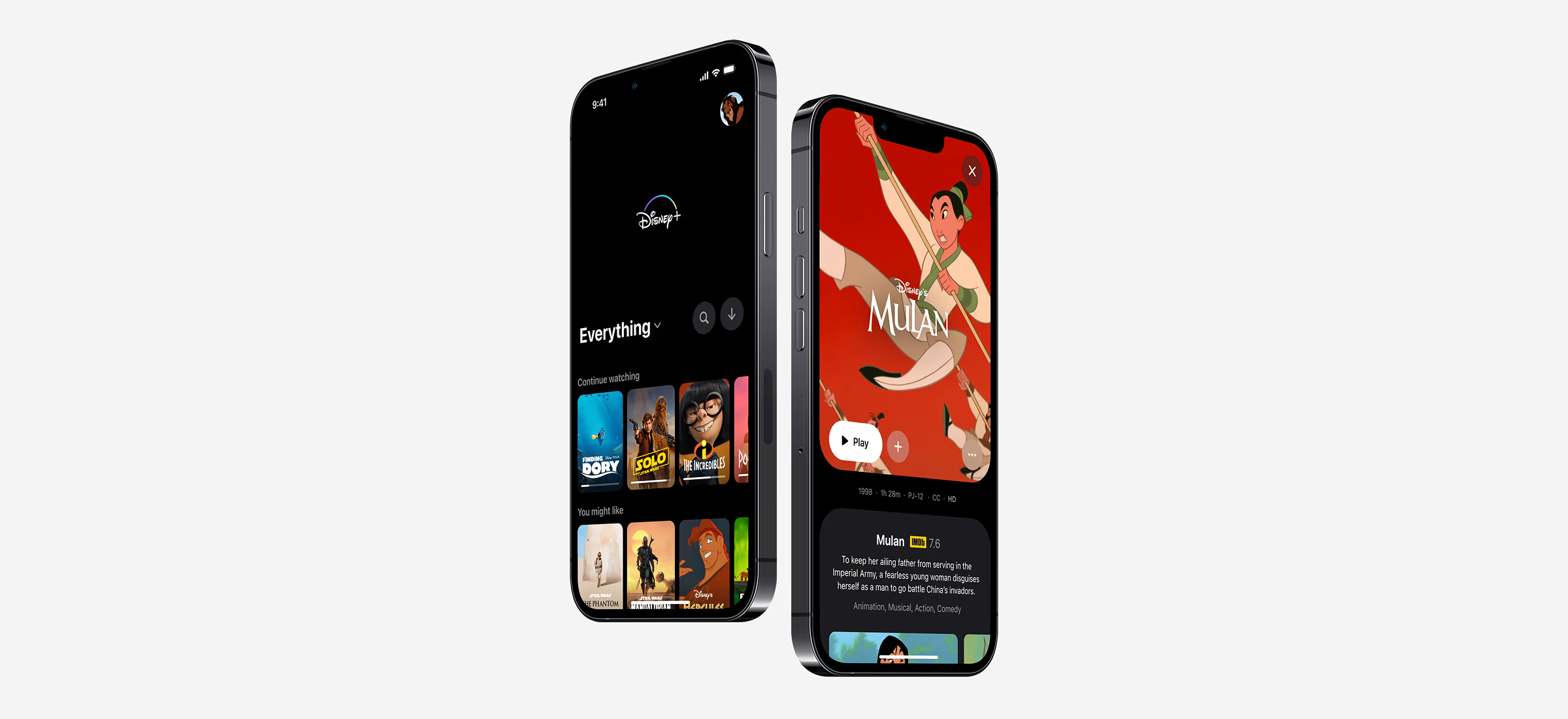
How the work actually happens.
Four stages, no theatre. You always know what is being built, why it is being built, and what it will have changed by the time it ships.
We start by understanding the business, not the brief. Stakeholder interviews, competitive teardown, an audit of what already exists and an honest read on what is actually holding growth back. You get the findings whether or not you continue with us.
- Stakeholder interviews
- Technical audit
- Competitive teardown
- Findings report
Positioning, scope and the numbers we intend to move. We define the smallest thing worth building first, the sequence that follows it, and the metric that tells us it worked. Anything that can't be tied to an outcome gets cut here.
- Positioning
- Scope & roadmap
- Success metrics
- Architecture plan
Visual system, interface language and working prototypes — real interaction, real content, real edge cases. We would rather find the flaw in a prototype than in production, so this stage is deliberately unglamorous and deliberately thorough.
- Design system
- UI & UX
- Interactive prototype
- Motion direction
Engineering, launch and everything after it. The team that designed the platform is the team that runs it: monitoring, iteration, performance work and the unglamorous maintenance that decides whether a product is still good in year three.
- Engineering
- QA & hardening
- Launch
- Monitoring & iteration
Tell us what you're actually trying to build.
Send a brief with the real constraints — budget, deadline, the thing that is already broken. You'll get a considered reply from the people who would do the work, not a calendar link from a salesperson.